On-rim swap
Your seasonal tires are already on their own wheels. We bolt one set off and the other on.
Winter changeover season is on. Book online to get a set time — walk-ins wait for the next open bay. Book a time ›
In and out
in about 30 minutes.
Bramalea Tire changes winter and summer tires at 2020 Clark Blvd in Brampton. A seasonal swap with tires already mounted on rims takes about 30 minutes and starts at $74.99 for a set of four. Walk-ins are welcome, or book ahead for a set time and skip the wait in the busy spring and fall seasons.
4.5 ★ from 500+ Google reviews · In Brampton since 1990
A good rule is to install winter tires once temperatures are consistently around 7°C or colder.
Below 7°C, the rubber in all-season tires begins to stiffen and lose grip, while winter tires are designed to remain flexible in colder temperatures.
In Brampton, that usually means changing to winter tires around late October to early November.
Book before the rush ›Pricing
It depends on how many sets of wheels you have.
Your seasonal tires are already on their own wheels. We bolt one set off and the other on.
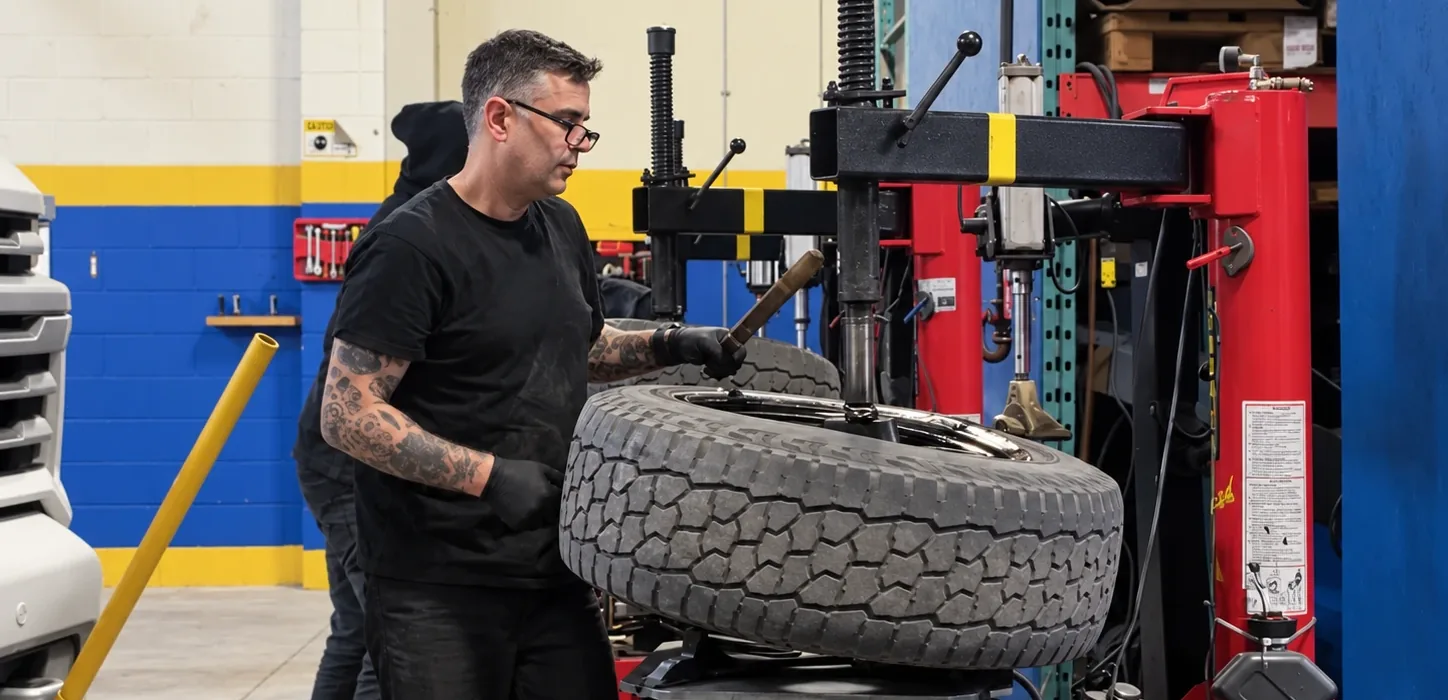
Tires come off your wheels, the other set goes on, and each one is balanced.
Leave the other set with us: no hauling four tires home, and they’re ready when the season turns.
* Swap pricing applies to sets up to 21″. Mount and balance pricing starts at $29.99 per tire. Run-flat, low-profile, oversized and truck tires may cost more due to the additional labour and equipment required. Prices before HST.
Included with every swap
Wheels off and on, lug nuts torqued to your vehicle’s spec, pressures set from your door placard. If something’s wrong, we show you, and you decide.
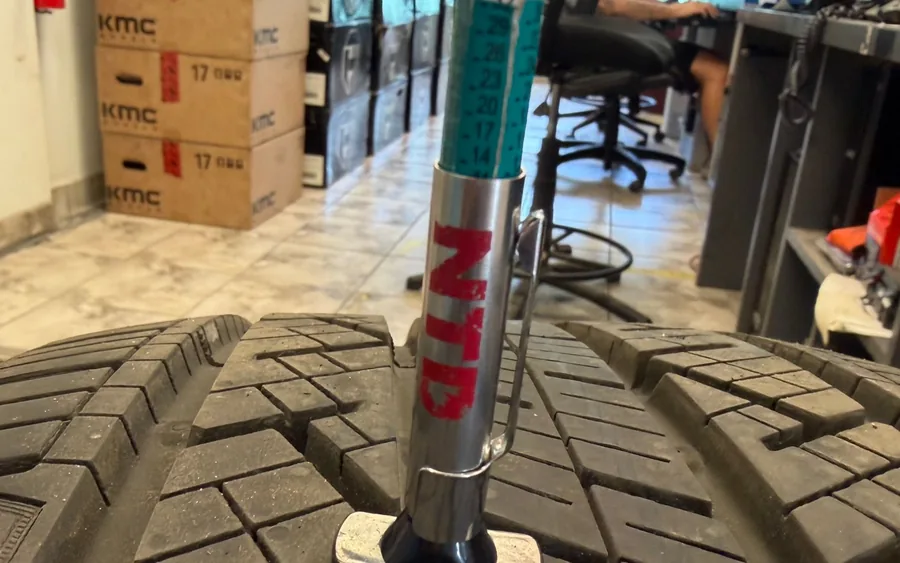
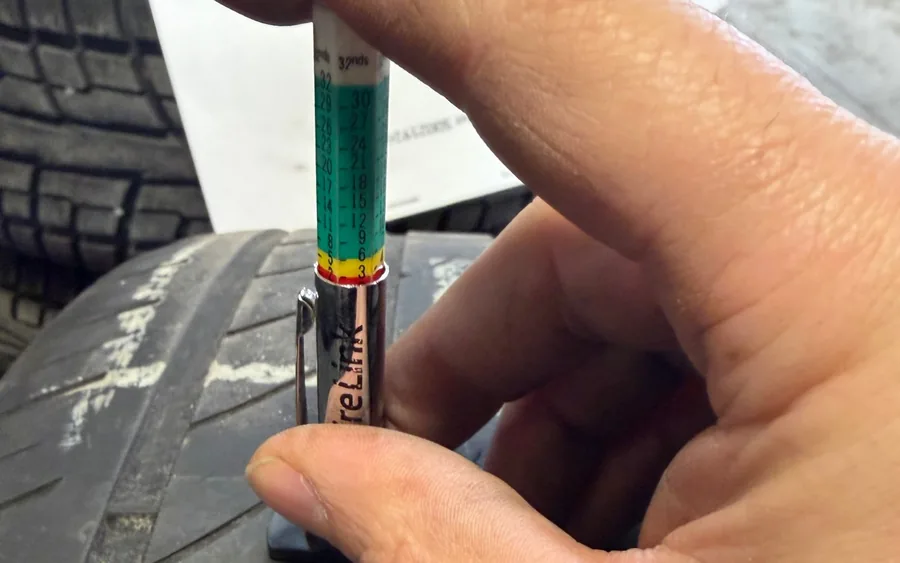
We check the tread on every tire, so you know how much life is left before the season starts.
This one reads 3/32″, close to worn out. Low winter tread struggles in slush. We show you, and you decide.
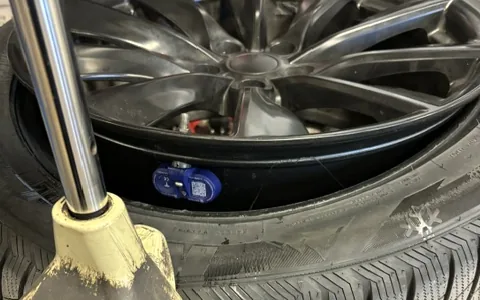
Sensors sit inside the wheel. If a set has none or needs a relearn, we’ll tell you before you go.
Different lug nuts for your winter wheels? Bring them with your wheels: the wrong hardware can damage the wheel or keep it from being secured properly.
A typical swap of four tires already mounted on wheels takes about 30 minutes once the vehicle is being worked on.
Busy seasonal periods, larger vehicles, seized hardware or other issues can make it take longer.
A seasonal swap with tires already mounted on rims is $74.99 for a set of four, for wheels up to 21″.
If your tires need to be mounted on the wheels and balanced, that starts at $29.99 per tire. Run-flat, low-profile, oversized and truck tires may cost more. Prices before HST.
A common guideline is when temperatures are consistently around 7°C or colder.
You do not need to wait for snow. Winter tires are designed to remain flexible and provide better cold-weather traction as temperatures drop.
An on-rim swap means you have two complete sets of wheels and tires. We remove one set and bolt the other set onto the vehicle.
A changeover means you have one set of wheels and two sets of tires. We remove the tires from the wheels, mount the other tires and balance them.
A changeover takes more labour and costs more.
No. If your seasonal tires are already mounted on their own wheels, they normally do not need to be rebalanced every time they are swapped onto the vehicle.
If you have a vibration, uneven wear, or simply want them balanced while they are here, we can add balancing to the service.
Yes.
Your tires do not have to be purchased from Bramalea Tire for us to install or swap them, provided they are the correct size and suitable for the vehicle.
Yes.
Seasonal tire storage is $94.99 per six-month season for a set of four.
That saves you from transporting and storing a bulky set of tires at home.
Once temperatures are consistently above about 7°C, it is generally time to change back to your all-season or summer tires.
Winter tires wear faster in warm weather and usually do not handle as well as tires designed for warmer temperatures.
There are several possibilities.
The seasonal wheels may not have TPMS sensors, a sensor battery may be weak, the sensors may need to relearn to the vehicle, or one of the tires may simply be low.
We can help determine what is causing the light.
Usually not if they are already mounted on wheels and the vehicle was driving smoothly when they came off.
Balancing is recommended if you notice vibration, if a wheel weight has fallen off, or if there is another reason to suspect the balance has changed.
We recommend installing winter tires as a set of four.
Using only two winter tires can create a large difference in traction between the front and rear of the vehicle, which can make the vehicle less predictable during braking and cornering.
A vibration at highway speed is often related to wheel balance, but it can also be caused by snow or debris packed inside a wheel, a bent wheel, tire damage, uneven wear or another vehicle issue.
If the vibration started immediately after the swap, let us know and we can inspect it.
Because we check the condition of the tires while they are off the vehicle.
If the tread is very low, the tire is cracked, damaged, worn unevenly, or otherwise unsafe, we will point it out. We are not going to install a tire without telling you about a problem that could affect braking, traction or safety.
The decision is still yours unless the tire is not safe for us to install.
Not necessarily.
But winter tires depend heavily on tread depth to clear snow and slush. A winter tire can still be legally usable while no longer performing nearly as well in winter conditions.
We will show you the tread depth and explain what we are seeing so you can decide whether to replace them now or continue using them.
That depends on their condition.
Normal wear is one thing. Exposed cords, severe cracking, sidewall damage, bulges, badly damaged beads or tires that are otherwise unsafe are another.
If we see a serious safety issue, we will explain it before continuing.
Yes.
We set the tire pressures to the vehicle manufacturer’s recommended pressure shown on the driver’s door placard, not the maximum pressure printed on the tire.
Usually, yes.
On vehicles with direct TPMS, the warning light may remain on while those wheels are installed.
Some vehicles may have different requirements, so let us know if you are unsure.
On many vehicles, yes.
Some vehicles relearn automatically, some require a reset procedure, and others require programming or a scan tool.
If additional TPMS service is required, we will let you know.
Different wheels can require different lug nuts or bolts.
The seat shape, length and design must match the wheel. Using the wrong hardware can damage the wheel or prevent it from being secured properly.
Bring the correct seasonal hardware with your wheels if your sets use different lug nuts or bolts.
If your winter wheels require different hardware, we may not be able to install them safely without the correct lug nuts or bolts.
We may have replacements available depending on the vehicle and wheel.
We torque the wheels to the manufacturer’s specification when they are installed.
Depending on the wheel and vehicle, we may recommend having the wheel torque rechecked after a short period of driving, particularly with aftermarket wheels.
Road salt, moisture and corrosion can cause the wheel to stick to the hub.
This is especially common after a wheel has been installed for an entire season.
Usually we can remove it, but badly seized wheels can require additional time.
Often, yes, but the size has to be appropriate for the vehicle.
Many vehicles can use a smaller wheel and a higher-profile winter tire, but the overall diameter, load capacity, brake clearance and wheel fitment all need to be correct.
If you are unsure, we can check the fitment before installation.
On many vehicles, yes.
A smaller wheel with the correct tire size can be a good winter setup and is often less expensive than using the vehicle’s larger factory wheels.
The wheel still needs to clear the brakes and have the correct bolt pattern, offset and load capacity.
A few warm days will not ruin your winter tires.
The bigger concern is using them for extended periods in consistently warm weather, which can increase wear.
It is usually better to change them before the first major snowstorm than to wait until every tire shop is booked.
If there is a noticeable difference in tread depth between two tires, the tires with the better traction are generally installed on the rear axle.
This helps reduce the chance of the rear of the vehicle losing traction during wet or slippery conditions.
If the tread difference is significant, we may recommend replacing the worn tires rather than mixing substantially different tread depths.
Closed now
Brampton ON L6T 5R4